IFAR Delegation Visits Xinjiang Academy of Agricultural Sciences to Advance Plasma Agriculture Research
24 Jun 2026
International Cooperation24 Jun 2026
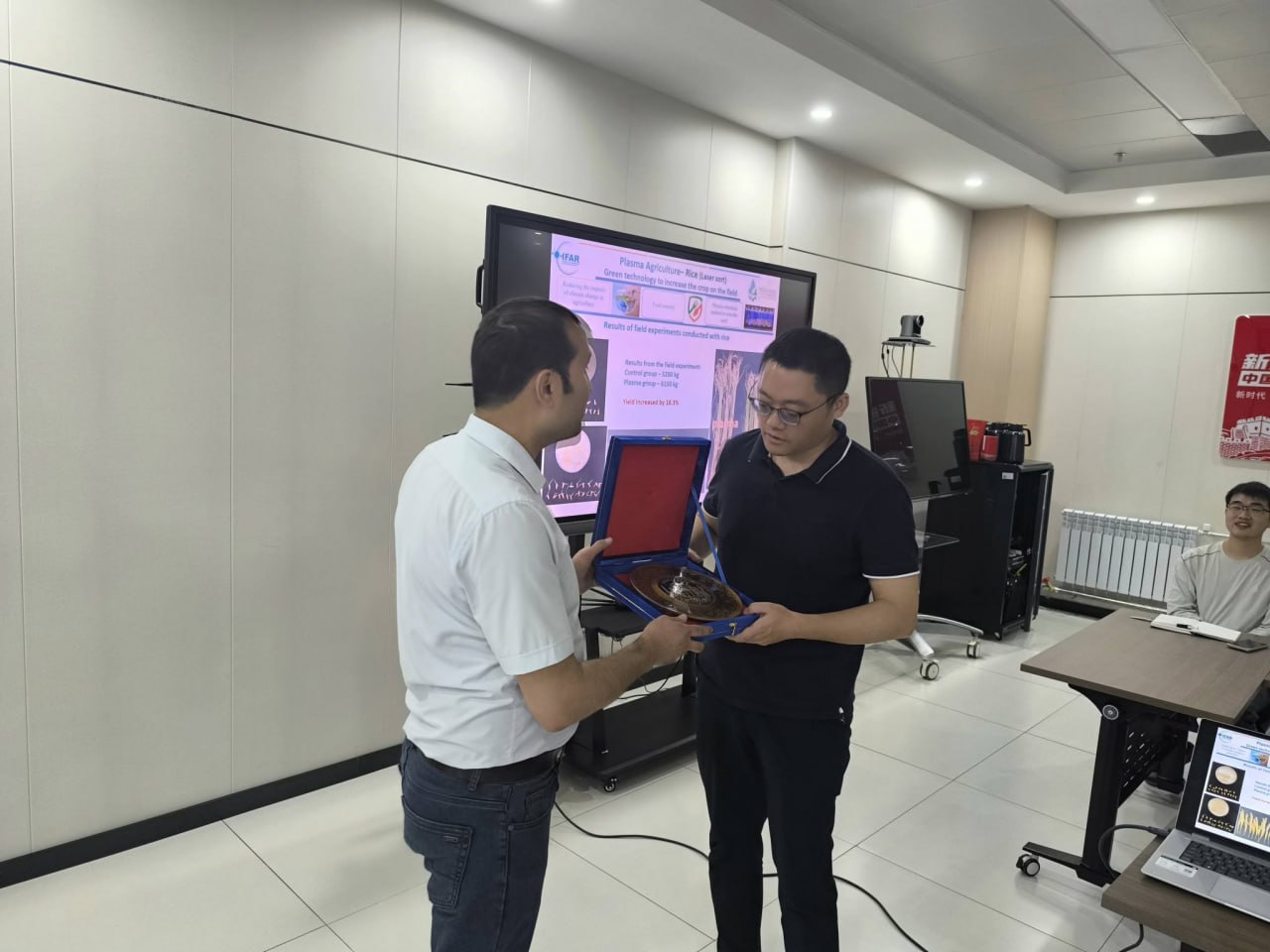
URUMQI, CHINA – In a significant step toward expanding international academic networks, a delegation from the Institute of Fundamental and Applied Research (IFAR) recently conducted a high-level scientific visit to the Xinjiang Academy of Agricultural Sciences.The visit, organized with the key coordination and support of Prof. Faxriddin Ne'matulloh, focused on establishing innovative research pipelines combining low-temperature plasma technology with cutting-edge plant genetics and root biology.Key Highlights of the Scientific Exchange:
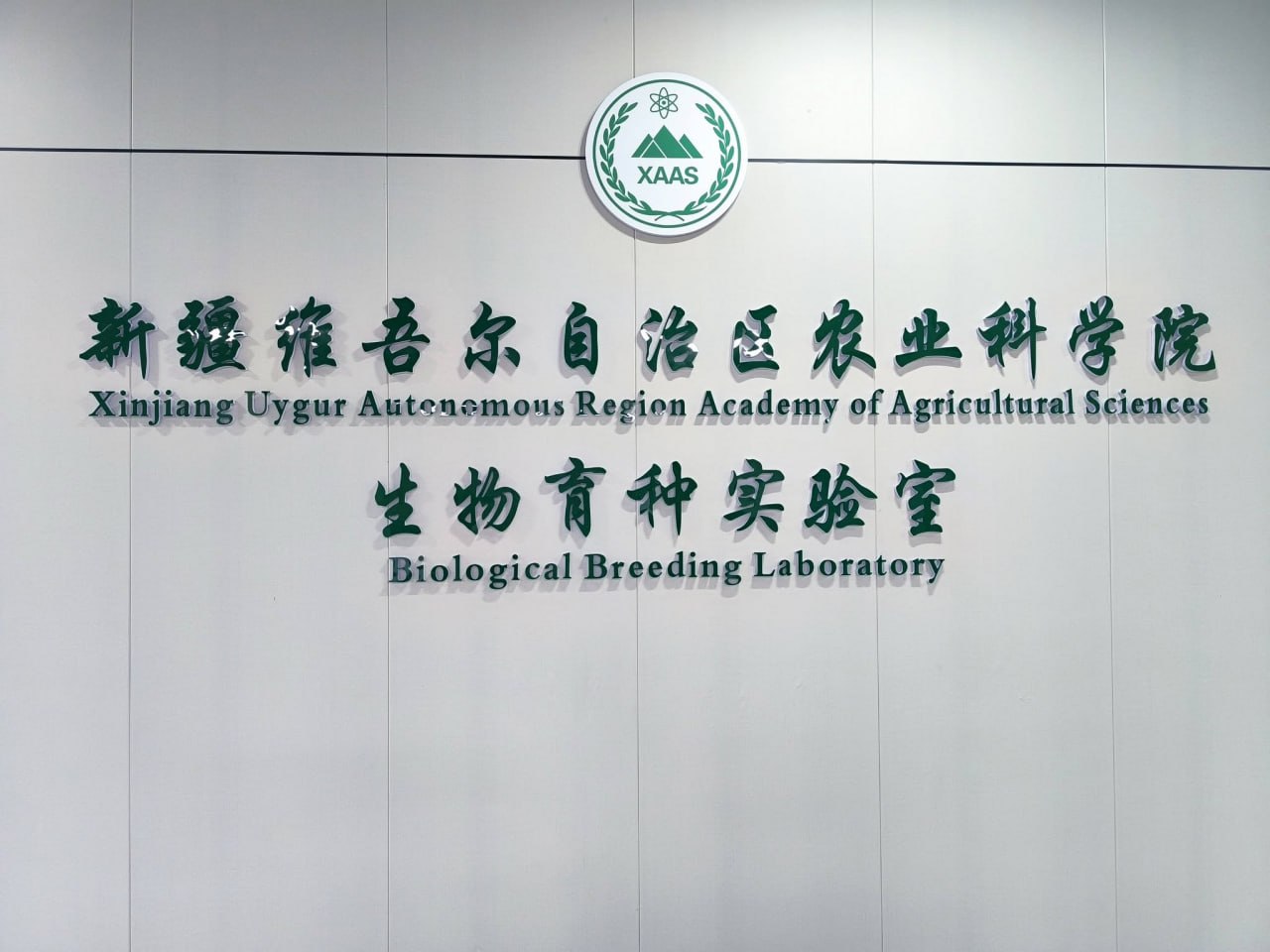
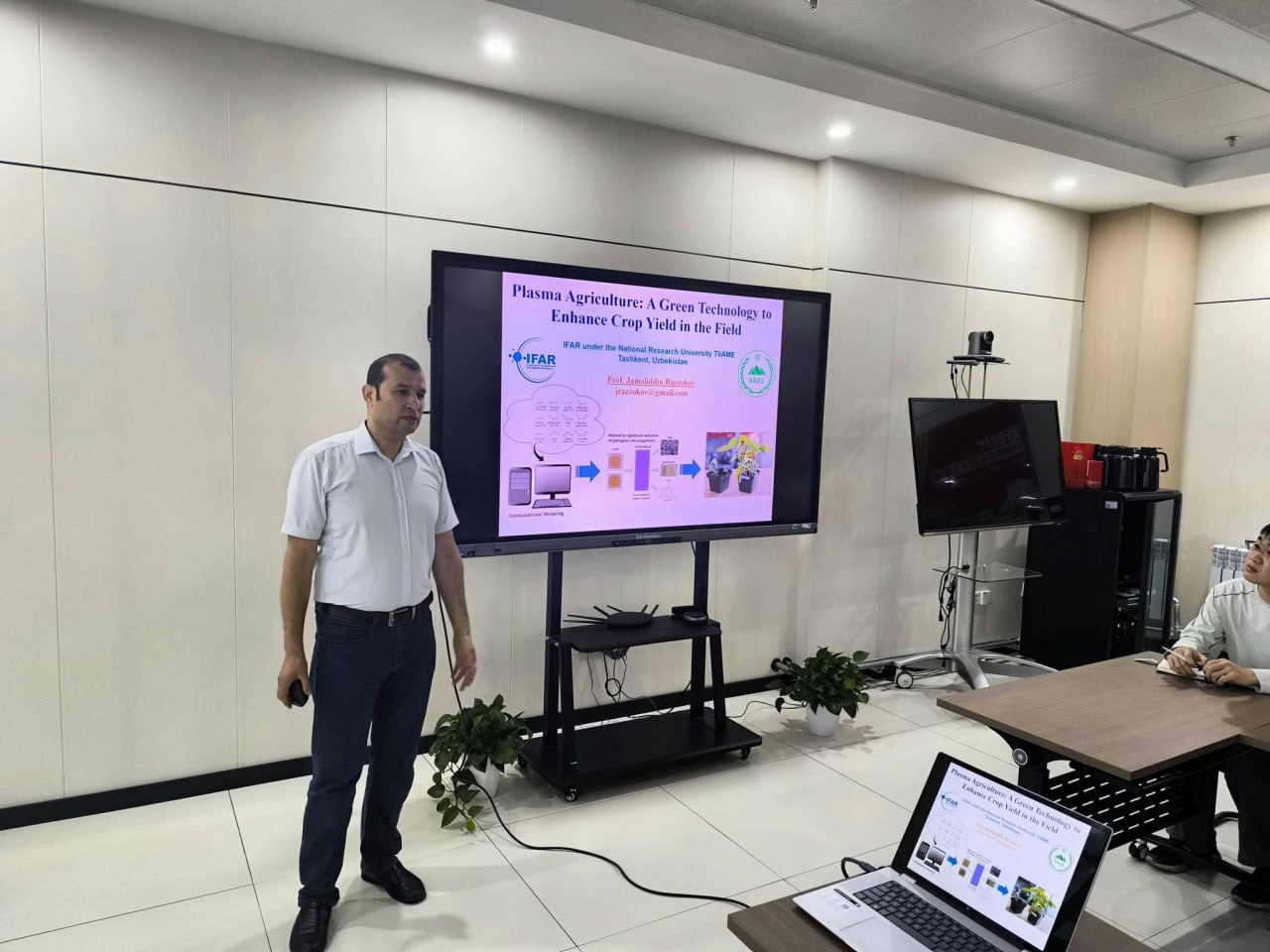
Keynote Presentation: The IFAR delegation delivered an invited seminar titled “Plasma Agriculture: A Green Technology to Enhance Crop Yield in the Field” to the research group of Prof. Zhaojun Liu at the Biological Breeding Laboratory. The presentation sparked dynamic and highly productive scientific discussions on the physiological mechanisms of plasma-treated seeds.
Expertise Synergy: Prof. Zhaojun Liu, a German-trained root biologist and an expert in CRISPR gene-editing technologies, expressed a profound interest in the collaborative integration of cold atmospheric plasma tools into molecular plant breeding programs.
Laboratory Inspections: The delegation toured advanced in vitro cultivation facilities, observing ongoing trials involving gene-edited tomato plants optimized for elevated chlorophyll content, as well as the academy's state-of-the-art regional seed bank.
Microbiology Outreach: The itinerary included a comprehensive tour of the adjacent Institute of Microbiology. Guided by the Vice Director, the delegation reviewed advanced research infrastructures dedicated to the isolation, characterization, and agricultural application of over 1,000 beneficial microbial strains.
Strategic Outcomes and Next Steps Bridging advanced materials, physics, and plant genetics, both institutions officially agreed to launch joint research initiatives focused on wheat and cotton. The collaborative projects will systematically evaluate the effects of plasma treatments on plant root biology, utilizing Prof. Liu’s laboratory infrastructure to map precise genetic and epigenetic modifications induced by plasma technology.This emerging partnership marks a vital milestone in developing sustainable, zero-chemical agricultural inputs and driving the global transition toward bio-economy platforms.